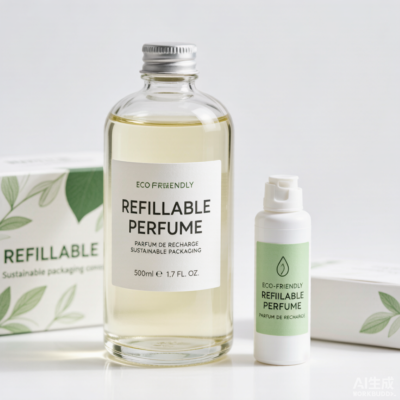
Selling perfume in Europe is about to get more complicated. The Packaging and Packaging Waste Regulation, commonly called EU Packaging and Packaging Waste Regulation, is reshaping what brands can put on the market and how they must report it. For any fragrance company sourcing eco-friendly perfume packaging, understanding these rules is no longer optional. Non-compliance can block shipments, trigger fines, or force a costly redesign.
At Huanshi, we supply glass perfume bottles to brands that sell in the European Union, the United Kingdom, and the Middle East. Over the last year, the share of our export orders asking for PPWR-compliant documentation has jumped from roughly 20% to more than 60%. That shift tells us the market is serious about sustainability reporting. This article explains the key EU packaging requirements for 2026, what they mean for perfume brands, and how to build packaging that stays ahead of the rules.
What Is PPWR and Why Does It Matter for Perfume?
PPWR is the EU regulation replacing the older Packaging and Packaging Waste Directive. Unlike a directive, a regulation applies directly in all EU member states without needing national transposition. It sets rules on packaging design, recyclability, recycled content, labeling, and extended producer responsibility, known as EPA Extended Producer Responsibility.
For perfume brands, PPWR matters because fragrance packaging is often complex. A typical perfume product includes a glass bottle, a metal or plastic pump, a cap, a label, a carton, an insert, and sometimes a cellophane overwrap. Each material layer may fall under different rules. If the combined packaging is hard to recycle, the brand may face restrictions or higher EPR fees.
The regulation also introduces targets. By 2030, all packaging in the EU must be recyclable. By 2035, plastic packaging must contain specific percentages of recycled content. By 2040, further reductions in packaging waste per capita are mandated. Brands launching products in 2026 need to design with these deadlines in mind.
Recyclability Requirements for Glass Perfume Bottles
Glass is one of the most recyclable packaging materials available. A clear or amber eco-friendly perfume packaging bottle can be recycled indefinitely without quality loss. This gives glass perfume bottles a strong starting position under PPWR.
However, recyclability depends on the full package. A glass bottle with a plastic pump and metal collar attached may not pass new recyclability assessments because the mixed materials are difficult to separate at recycling facilities. PPWR encourages design choices that make separation easier. This could mean using mono-material pumps, designing for easy disassembly, or specifying adhesives that do not contaminate the glass melt.
At Huanshi, we are working with component suppliers to identify pump and cap combinations that maintain luxury performance while improving recyclability. Glass Packaging Institute data consistently shows that bottles designed with recycling in mind have higher recovery rates and lower environmental impact across their life cycle.
Recycled Content Targets and What They Mean
PPWR sets minimum recycled content targets for plastic packaging. Glass is currently exempt from mandatory recycled content targets, but brands are still demanding PCR glass for marketing and sustainability reasons. We explored this trend in our PCR glass perfume packaging buyers guide.
For perfume brands, the recycled content challenge often sits in the non-glass parts of the package. Pumps, caps, and labels frequently contain plastic. Under PPWR, these components may need to include recycled material by 2030 or 2035, depending on the product category. Brands should start asking suppliers about recycled resin availability now, because qualifying materials can be limited and more expensive.
Packaging Minimization and Excess Packaging Rules
PPWR includes requirements to minimize packaging volume and weight while maintaining product protection. For perfume, this is a delicate balance. A heavy base bottle and elaborate carton communicate luxury, but they also increase material use and shipping emissions.
The regulation is expected to ban certain forms of clearly excessive packaging. Examples might include double walls that serve no protective function, oversized boxes for small bottles, or unnecessary plastic fillers. Brands should review their secondary packaging with a critical eye. Replacing a rigid carton with a folded paperboard sleeve, or eliminating a plastic window, can reduce compliance risk without hurting shelf appeal.
Some of our clients are already moving toward lighter glass weights. This reduces freight cost and carbon footprint. We discussed this direction in our article on lightweight glass opportunities, and we expect demand to grow as PPWR enforcement tightens.
EPR Fees and Reporting Obligations
Extended Producer Responsibility, or EPR, makes the brand responsible for the end-of-life cost of its packaging. In the EU, perfume brands must register with EPR schemes in each country where they sell, report packaging weights and materials, and pay fees based on recyclability and material type.
Glass generally carries lower EPR fees than plastic or composite materials. A perfume brand using a recyclable glass bottle with a separable pump will usually pay less than a brand using multi-layer plastic or mixed-material packaging. Accurate reporting requires data from suppliers. Brands should request material composition certificates and weights for every component, from the bottle to the shipping carton.
Key Actions for Perfume Brands in 2026
Preparing for PPWR does not have to be overwhelming. Here are the practical steps we recommend to our clients:
- Audit your current packaging. List every material and component. Identify mixed materials that are hard to recycle.
- Request supplier documentation. Ask your bottle and component suppliers for material certificates, recycled content claims, and recyclability assessments.
- Design for disassembly. Choose pumps, caps, and labels that consumers or recyclers can separate easily.
- Reduce unnecessary layers. Review secondary packaging for volume, weight, and material efficiency.
- Plan for EPR registration. Register in each EU market where you sell and set up a reporting process.
- Test alternatives early. Order samples of lighter glass, PCR glass, or mono-material pumps before committing to a full redesign.
These steps align with ISO 9001 quality management environmental management principles and help brands avoid the last-minute rush that often leads to expensive mistakes.
PPWR vs Other Regional Rules
PPWR is the EU framework, but it is not the only regulation perfume brands face. The United Kingdom has its own packaging waste rules through the Environment Agency. Some member states have additional national requirements. And the FDA cosmetic packaging regulations in the United States governs cosmetic packaging safety, though it does not currently impose the same recycling mandates as the EU.
Brands selling globally should treat compliance as a matrix, not a single checklist. A package that satisfies FDA and PPWR may still need adjustments for the UK or for specific retailer codes of conduct. Working with suppliers who understand multiple regulatory environments reduces friction.
Frequently Asked Questions
Does PPWR apply to perfume bottles imported from China?
Yes. PPWR applies to packaging placed on the EU market, regardless of where it is manufactured. The brand or importer responsible for placing the product on the EU market must ensure compliance.
Are glass perfume bottles automatically compliant with PPWR?
Glass itself is highly recyclable, but compliance depends on the full package. Mixed materials, coatings, and difficult-to-separate components can reduce recyclability and increase EPR fees.
What is EPR and do perfume brands need to register?
EPR stands for Extended Producer Responsibility. It requires brands to register, report packaging materials, and pay end-of-life management fees in each country where they sell perfume in the EU.
When do PPWR recyclability targets take effect?
The core requirement is that all packaging must be recyclable by 2030. Additional targets for recycled content in plastic packaging phase in between 2030 and 2040.
How can I make my perfume packaging more sustainable?
Start with a glass bottle, reduce unnecessary secondary packaging, choose separable components, consider PCR glass, and document material weights for EPR reporting. We can help source materials and provide component data.
Conclusion: Compliance Is a Competitive Advantage
The EU packaging rules are tightening, but brands that adapt early can turn compliance into a selling point. Consumers increasingly associate eco-friendly perfume packaging with quality and responsibility. A well-designed glass bottle with clear recyclability credentials can outperform a cheaper, non-compliant alternative.
At Huanshi, we support fragrance brands with PPWR-ready packaging options, including recyclable glass, lighter weights, PCR content, and documentation for EPR reporting. If you are planning a European launch or reviewing your current packaging for compliance, contact us for a consultation. We will help you build a perfume bottle that looks exceptional and meets the standards of tomorrow’s market.