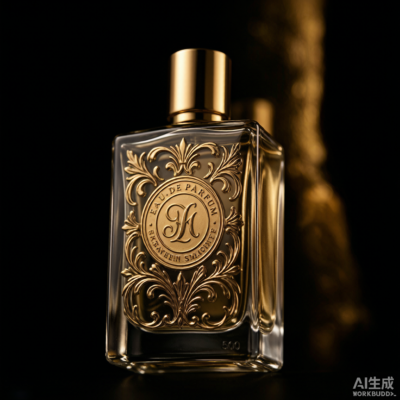
There is a reason the apothecary style perfume bottle keeps appearing in the most photographed vanity setups on Instagram. It carries the weight of history — amber glass, rounded shoulders, and a stopper that feels like it belongs in a 19th-century pharmacy — while fitting seamlessly into modern minimalist bathrooms. At Huanshi, we have produced apothecary-inspired bottles for brands from Portland to Paris, and we have learned that this style is not a trend. It is a design language that bridges nostalgia and contemporary aesthetics better than almost any other bottle shape.
The Anatomy of an Apothecary Bottle
An authentic apothecary bottle has five defining features. First, the body is cylindrical or slightly rounded, with a wide, stable base that sits confidently on a shelf. Second, the shoulder slopes gently into a narrow neck, creating a silhouette that feels medical and elegant at the same time. Third, the closure is typically a ground glass stopper or a cork-topped cap, evoking the laboratory origins of the form. Fourth, the glass is almost always amber or cobalt, colors chosen originally to protect light-sensitive compounds. Fifth, the label area is generous and rectangular, designed for handwritten or typeset descriptions that look like prescription notes.
Modern apothecary bottles for perfume retain these five features but adapt them for contemporary use. The stopper becomes a spray pump with a vintage-style bulb or a sleek crimp atomizer. The amber glass is reformulated to meet ASTM International standards C-169 standards for cosmetic packaging. The label area is sized for modern adhesive labels or direct screen printing. The result is a bottle that whispers “heritage” while functioning perfectly in a 2026 supply chain.
Why Amber Glass Matters: More Than Aesthetics
The amber color of traditional apothecary bottles was not a stylistic choice. It was functional. Amber glass blocks 99% of UV light below 450nm, protecting photosensitive ingredients from degradation. In perfume, this matters because top notes — the citrus and floral compounds that create first impressions — are highly volatile and degrade under light exposure. A clear glass bottle left on a sunny dresser can lose 15-20% of its top note intensity in six months. An amber bottle loses less than 3%.
Our amber glass is produced with iron and sulfur additives that create the characteristic brown tint. We control the color depth with a spectrophotometer, targeting a light transmission value of 15-25% at 450nm. This is the sweet spot: dark enough for protection, light enough that the liquid inside is still visible and appealing. We also offer cobalt blue apothecary bottles, which block UV similarly but create a cooler, more medicinal aesthetic that some brands prefer.
Modern Adaptations: From Stopper to Spray
The original apothecary bottle used a ground glass stopper sealed with wax or a cork. This was airtight and beautiful, but impractical for daily perfume use. Modern adaptations solve this without sacrificing the vintage look.
Option 1: Bulb Atomizer. A rubber bulb with a glass dip tube creates the classic “poof” spray action. It looks authentic and feels theatrical. The downside is inconsistency: bulb pressure varies with each squeeze, and the spray pattern is wider and less controlled than a pump. We recommend bulb atomizers for decorative bottles or limited editions, not for daily-use fragrances.
Option 2: Crimp Pump with Vintage Cap. A modern crimp spray pump is hidden under a vintage-style metal or glass cap. The user sees the apothecary silhouette and removes the cap to reveal a functional spray. This is our most popular configuration for apothecary bottles. The cap can be embossed, engraved, or color-matched to the bottle.
Option 3: Screw Pump with Cork Detail. A screw-on pump with a cork-textured collar combines the convenience of threading with the tactile warmth of natural cork. This works well for brands targeting the organic and natural fragrance market.
decoration techniques for Apothecary Bottles
Apothecary bottles have a large, flat label area that invites creative decoration. We have developed several techniques that enhance the vintage feel without looking kitschy.
Distressed Labels: silk screen printing with a slightly weathered font and off-white ink creates the look of an aged paper label. We can add artificial “stains” or “tears” at the edges for extra authenticity. This works best on amber or cobalt bottles with matte or satin caps.
Hand-Numbered Editions: Each bottle receives a unique number via laser engraving or small foil stamp. This signals small-batch craftsmanship and justifies a higher price point. We have produced numbered editions of 500, 1,000, and 2,500 units for clients.
Wax Drip Seals: A simulated wax seal printed on the shoulder or cap adds a tactile, old-world element. We use a raised UV varnish that mimics wax texture without the fragility of real wax. This is popular for gift sets and holiday editions.
Vintage Typography: Fonts like Bodoni, Clarendon, or custom serif scripts printed in black or gold ink reinforce the apothecary heritage. We recommend avoiding modern sans-serif fonts, which clash with the bottle’s historical language.
Apothecary Bottles in the 2026 Market
The apothecary style has moved beyond niche indie brands. In 2026, we are seeing demand from three market segments that rarely overlapped before.
Wellness and CBD Fragrances: Brands blending aromatherapy with perfume use apothecary bottles to signal natural ingredients and clinical credibility. The amber glass protects CBD and essential oil compounds from light degradation. The medical silhouette reinforces the “wellness” positioning.
Gender-Neutral and Unisex Lines: The apothecary form is inherently gender-neutral. It does not lean masculine like a square whiskey bottle or feminine like a crystal flacon. This makes it ideal for brands targeting the growing unisex fragrance market, which Euromonitor market research estimates at 18% of total fragrance sales in 2026.
Sustainable and Refillable Systems: The wide mouth and stable base of apothecary bottles make them ideal for refillable programs. Customers keep the bottle and purchase refill cartridges. The vintage aesthetic justifies the “keep forever” narrative that sustainable brands need. We offer refillable apothecary configurations with screw-neck pumps and 100ml, 200ml, and 500ml refill sizes.
Sizing and Capacity Options
Apothecary bottles work at almost any size, but certain capacities have become standard in the perfume industry.
| Capacity | Typical Use | Dimensions (mm) | Weight (g) | Best Closure |
|---|---|---|---|---|
| 15ml | Discovery sets, samples | 45 x 30 | 45 | Ground stopper |
| 30ml | Travel size, first purchase | 65 x 38 | 85 | Crimp pump + cap |
| 50ml | Standard retail size | 82 x 45 | 120 | Crimp pump + cap |
| 100ml | Flagship size, gift sets | 105 x 55 | 195 | Crimp pump + cap |
| 250ml | Refill, decorative display | 155 x 75 | 420 | Screw pump |
| 500ml | Salon size, luxury refills | 195 x 95 | 780 | Screw pump |
The 50ml and 100ml sizes account for 70% of our apothecary orders. The 250ml and 500ml sizes are growing fast in the refillable and hospitality markets. Hotels and boutique spas increasingly request 500ml apothecary bottles with custom labels for in-room amenities.
Frequently Asked Questions
What is an apothecary style perfume bottle?
An apothecary style perfume bottle is a cylindrical or rounded glass bottle with a narrow neck, wide base, and vintage closure, traditionally made in amber or cobalt glass. It draws from 19th-century pharmacy and laboratory aesthetics, adapted for modern perfume packaging with functional spray pumps and contemporary decoration.
Does amber glass really protect perfume from light?
Yes. Amber glass blocks approximately 99% of UV light below 450nm, which is the range that degrades volatile fragrance compounds. Perfume stored in amber glass loses less than 3% of top note intensity over six months, compared to 15-20% in clear glass under the same conditions.
Can apothecary bottles be used for modern spray perfumes?
Absolutely. We offer apothecary bottles with modern crimp pumps, screw pumps, and bulb atomizers hidden under vintage-style caps. The exterior maintains the classic apothecary silhouette while the interior uses contemporary spray mechanisms for consistent, fine mist application.
What is the minimum order for custom apothecary bottles?
Stock apothecary shapes with decoration start at 1,000 pieces. Custom Pantone-matched amber or cobalt glass requires 2,000 pieces. Fully custom mold shapes start at 5,000 pieces. We recommend starting with a stock 50ml or 100ml apothecary shape and adding custom decoration to test market response.
Are apothecary bottles suitable for refillable perfume systems?
Yes, the wide mouth and stable base make apothecary bottles ideal for refillable programs. We offer screw-neck pump configurations in 100ml, 200ml, and 500ml sizes, with refill cartridges available in matching amber glass. This is a popular choice for sustainable fragrance brands and hospitality clients.
Bring Vintage Soul to Your Modern Brand
The apothecary style perfume bottle is more than a design choice. It is a statement about authenticity, heritage, and substance over flash. Whether you are launching a wellness fragrance, a unisex line, or a refillable sustainable collection, the apothecary form gives your brand a visual anchor that customers recognize and trust. Browse our apothecary catalog, request a sample kit with amber, cobalt, and clear variants, or book a design consultation to explore how vintage can meet modern in your next bottle. Let us craft something timeless together.